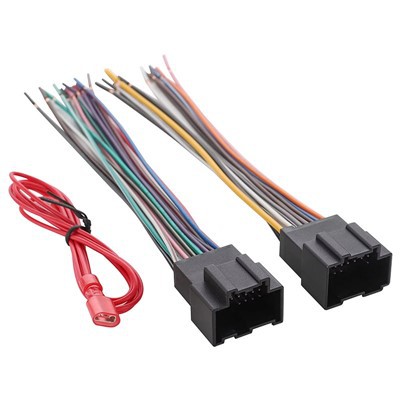
When it comes to optimizing vehicle diagnostics and monitoring, OBD Splitter Adapters play a crucial role. As a trusted OBD Splitter Adapter supplier, we understand the significance of these devices in allowing multiple gadgets to communicate with a vehicle's On - Board Diagnostic (OBD) system simultaneously. In this blog post, we'll delve into the question: How many devices can an OBD Splitter Adapter connect to?
Understanding OBD Splitter Adapters
Before discussing the connection capacity, let's briefly understand what an OBD Splitter Adapter is. An OBD Splitter Adapter is a device designed to expand the functionality of a vehicle's OBD port. The OBD port, typically found under the dashboard of most modern vehicles, is a standardized interface that allows external devices to access the vehicle's diagnostic information. However, the OBD port usually has only one connection point. An OBD Splitter Adapter solves this problem by providing multiple output ports, enabling users to connect several devices at the same time.
Factors Influencing the Number of Connectable Devices
The number of devices an OBD Splitter Adapter can connect to is not a fixed value and depends on several factors:
1. Electrical Power Limitations
The OBD port supplies a limited amount of electrical power to connected devices. Each device connected to the splitter adapter draws a certain amount of power. If too many power - hungry devices are connected, the total power consumption may exceed the OBD port's capacity. This can lead to issues such as devices not functioning properly, or in extreme cases, it may cause the vehicle's electrical system to malfunction. For instance, some advanced diagnostic scanners or GPS trackers with high - resolution displays consume more power compared to basic OBD readers.
2. Data Bandwidth
The OBD port has a specific data transfer rate. When multiple devices are connected, they all try to access the vehicle's diagnostic data simultaneously. If the data demand from all the connected devices exceeds the OBD port's bandwidth, data transfer may slow down, or some devices might not receive the data they need in a timely manner. This can result in inaccurate readings or a delay in diagnostic information.
3. Protocol Compatibility
Different OBD devices use various communication protocols to interact with the vehicle's OBD system. The OBD Splitter Adapter needs to be able to support these different protocols. If a splitter adapter can't handle the protocols of all the connected devices, it may not be possible to connect them all successfully. For example, some older vehicles use the ISO 9141 - 2 protocol, while newer ones may use CAN (Controller Area Network).
Common Connection Capacities
Based on the above - mentioned factors, most OBD Splitter Adapters on the market offer different connection capacities:
2 - Port Adapters
The OBD2 Y Cable is a common type of 2 - port OBD Splitter Adapter. As the name suggests, it has two output ports, allowing you to connect two devices to the vehicle's OBD port. This is suitable for situations where you only need to connect a basic OBD reader and, for example, a simple GPS tracker. The power and data requirements of these two devices are usually within the capabilities of the OBD port, ensuring proper functionality.
3 - Port Adapters
Three - port OBD Splitter Adapters, such as certain OBD II Port Splitter models, provide the option to connect three devices. This is a popular choice for vehicle fleets or advanced users who need to monitor additional parameters. For example, you could connect an OBD reader for diagnostic information, a fuel efficiency monitor, and a vehicle performance tracker. However, users need to be more cautious about power consumption and data bandwidth when using a 3 - port adapter.
4 - Port and Beyond
There are also OBD Splitter Adapters with four or more ports. These are typically used in professional settings, such as automotive repair shops or large - scale vehicle monitoring systems. When using high - port adapters, it's essential to carefully select the connected devices and ensure that they are optimized for sharing the OBD port's resources. Additionally, some advanced adapters may come with built - in power management and data buffering mechanisms to handle the increased load.
Tips for Connecting Multiple Devices
If you plan to connect multiple devices using an OBD Splitter Adapter, here are some tips to ensure a smooth experience:


1. Check Device Power Requirements
Before connecting devices, check their power consumption specifications. Try to balance the power draw by choosing a combination of low - power and high - power devices. If possible, use devices with power - saving modes.
2. Prioritize Data - Intensive Devices
If you have devices that require a large amount of data, such as real - time video recorders or high - precision diagnostic tools, give them priority. Make sure they are compatible with the splitter adapter's data handling capabilities.
3. Test the Setup
After connecting all the devices, test the setup to ensure that all devices are functioning correctly. Check for any error messages or abnormal readings. If you encounter problems, try disconnecting some devices to isolate the issue.
Conclusion
In conclusion, the number of devices an OBD Splitter Adapter can connect to varies depending on electrical power limitations, data bandwidth, and protocol compatibility. While common adapters can support 2 - 4 devices, professional - grade ones may offer more ports. As a leading OBD Splitter Adapter supplier, we offer a wide range of products to meet different customer needs. Whether you're a DIY enthusiast, a fleet manager, or an automotive professional, our adapters are designed to provide reliable and efficient connections.
If you're interested in our OBD Splitter Adapters and wish to discuss your specific requirements or make a purchase, please feel free to reach out to us. We're here to help you find the perfect solution for your vehicle diagnostic and monitoring needs.
References
- SAE International standards on OBD communication protocols
- Technical documentation from major OBD device manufacturers.