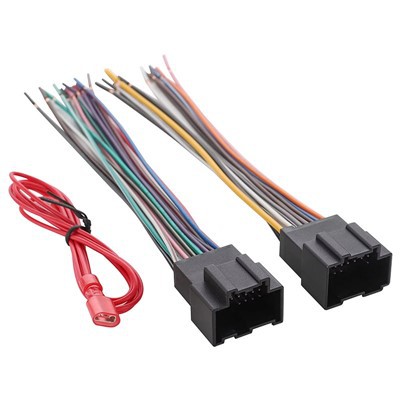
Extending car radio wires can be a necessary task for various reasons, such as customizing your car audio system, installing a new radio in a non - standard location, or simply dealing with a short wire length. As a car radio wire supplier, I'm here to share some comprehensive tips on how to extend car radio wires effectively.
Understanding the Basics of Car Radio Wires
Before you start the extension process, it's crucial to understand the different types of car radio wires. Each wire has a specific function. For example, the power wires are responsible for providing electricity to the radio. The Yellow Radio Wire is typically the constant power wire, which means it's always hot even when the car is turned off. This wire is essential for maintaining settings like the clock and radio presets.
The speaker wires are another important part. They carry the audio signals from the radio to the speakers. Usually, they come in pairs, with a positive and a negative wire for each speaker. The color - coding of these wires can vary depending on the car make and model, but common colors include white, gray, green, and purple.
Tools and Materials Needed
To extend car radio wires, you'll need a few basic tools and materials. These include:


- Wire strippers: Used to remove the insulation from the ends of the wires.
- Electrical tape: To insulate the connections and prevent short - circuits.
- Soldering iron and solder: For making secure electrical connections.
- New wire: Make sure to choose the appropriate gauge of wire. Thicker wires are better for power and speaker wires to reduce resistance.
- Harness for Radio Install: This can simplify the installation process and ensure a proper connection between the radio and the car's electrical system.
- Stereo Wiring Harness Adapter: If you're using a new radio that doesn't match the car's original wiring, this adapter can be very useful.
Step - by - Step Guide to Extending Car Radio Wires
Step 1: Disconnect the Battery
Safety should always be your top priority. Before you start working on the car radio wires, disconnect the negative terminal of the car battery. This will prevent any electrical shocks or short - circuits during the process.
Step 2: Identify the Wires
Carefully identify the wires you need to extend. Refer to the car's wiring diagram, which can usually be found in the car's manual or online. Mark the wires with tape or a marker to avoid confusion later.
Step 3: Cut the Wires
Use the wire strippers to cut the wires at the appropriate length. Make sure to leave enough length for the extension. Cut the new wire to the desired length as well.
Step 4: Strip the Wires
Strip about 1/2 inch of insulation from the ends of the wires that you've cut. This will expose the metal conductor, which is necessary for making a good electrical connection.
Step 5: Connect the Wires
There are two common methods for connecting the wires: soldering and using wire connectors.
- Soldering: Heat the soldering iron and touch it to the exposed metal of the wires. Then, apply the solder to the joint. The solder should melt and flow around the wires, creating a strong and reliable connection. Make sure to let the solder cool completely before moving on.
- Wire Connectors: You can also use wire connectors, such as butt connectors or crimp connectors. Insert the stripped ends of the wires into the connector and use a crimping tool to secure the connection. This method is quicker but may not be as durable as soldering.
Step 6: Insulate the Connections
Once the wires are connected, use electrical tape to insulate the joints. Wrap the tape tightly around the connection to prevent any exposed wires from touching each other or other metal parts in the car.
Step 7: Reconnect the Battery
After you've finished extending the wires and insulating the connections, reconnect the negative terminal of the car battery.
Step 8: Test the Radio
Turn on the car and test the radio to make sure it's working properly. Check the sound quality and make sure all the functions are working as expected.
Troubleshooting
If you encounter any problems after extending the car radio wires, here are some common issues and solutions:
- No power: Check the connections to the power wires. Make sure they are securely connected and that the fuses are not blown.
- Poor sound quality: Check the speaker wire connections. Make sure the positive and negative wires are not reversed. Also, check for any loose connections or damaged wires.
- Interference: This can be caused by a variety of factors, such as a loose ground connection or electromagnetic interference from other electrical components in the car. Try re - grounding the radio or moving the wires away from other electrical sources.
Benefits of Extending Car Radio Wires
- Customization: You can install the radio in a more convenient location, such as under the seat or in the center console.
- Upgrading: If you're upgrading your car audio system, extending the wires can make it easier to connect new components.
- Repair: In case the original wires are damaged, extending them can be a cost - effective solution.
Why Choose Our Car Radio Wires
As a professional car radio wire supplier, we offer high - quality wires that are designed to meet the needs of different car models and audio systems. Our wires are made from high - grade materials, which ensure good conductivity and durability. We also provide a wide range of wire gauges and colors to choose from, so you can find the perfect wire for your project.
If you're interested in purchasing our car radio wires or have any questions about extending car radio wires, please feel free to contact us. We're always ready to assist you in finding the best solutions for your car audio needs.
References
- "Automotive Electrical Systems" by Robert N. Brady
- "Car Audio Installation Guide" by various industry experts