


Hey there! As a supplier of Wishbone Wiring Harness, I often get asked about the tools needed to install one. So, I thought I'd put together this blog post to share all the essential tools you'll need for a successful installation.
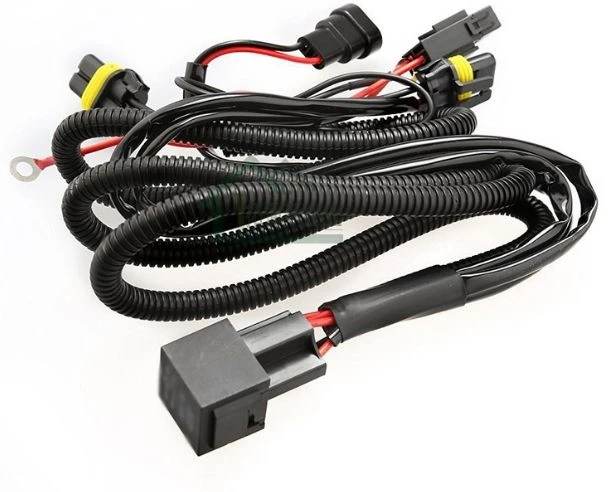
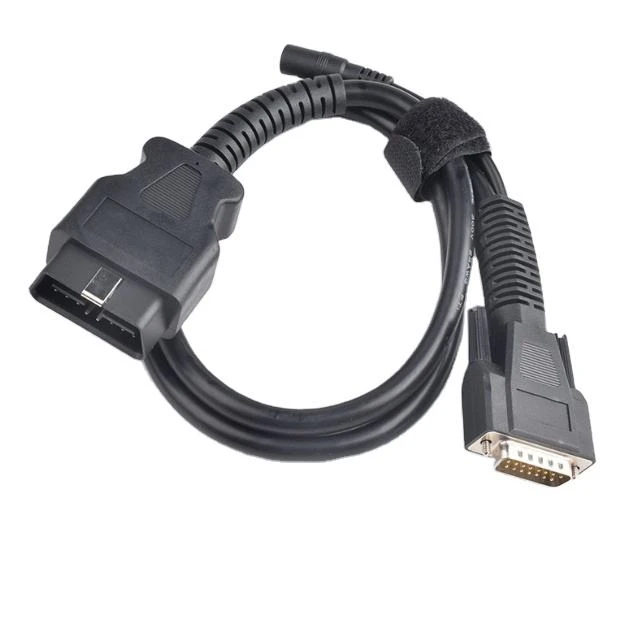
First off, let's talk about what a Wishbone Wiring Harness is. It's a crucial component for trailers, vehicles, and various other applications. It bundles multiple electrical wires together, providing a neat and organized way to transmit power and signals. Whether you're a DIY enthusiast or a professional mechanic, having the right tools is key to getting the job done right.
Basic Hand Tools
- Screwdrivers: You'll need a set of both flathead and Phillips screwdrivers. These are used to remove and install screws on various components, such as the mounting brackets for the wiring harness. A small set with different sizes will cover most of your needs.
- Pliers: Needle-nose pliers and regular pliers are essential. Needle-nose pliers are great for reaching into tight spaces, while regular pliers can be used for gripping and bending wires. You can use them to strip the insulation off wires when making connections.
- Wire Cutters: A good pair of wire cutters is a must. They're used to cut the wires to the appropriate length. Look for ones that are sharp and can handle different wire gauges.
- Crimping Tool: This is used to crimp connectors onto the wires. A quality crimping tool will ensure a secure connection between the wire and the connector. There are different types of crimping tools available, so make sure you get one that's suitable for the connectors you're using.
- Multimeter: A multimeter is a handy tool for testing the electrical connections. It can measure voltage, current, and resistance. By using a multimeter, you can check if the wiring harness is working properly and troubleshoot any issues.
Specialty Tools
- Heat Gun: When using heat shrink tubing to protect the wire connections, a heat gun is necessary. It heats up the tubing, causing it to shrink and form a tight seal around the wires. This helps to prevent moisture and corrosion from damaging the connections.
- Wire Strippers: While pliers can be used to strip wires, a dedicated wire stripper is more precise. It has different holes for different wire gauges, allowing you to strip the insulation off the wires without cutting into the conductor.
- Electrical Tape: Electrical tape is used to insulate the wire connections and protect them from short circuits. It's a simple but essential tool that you should always have on hand.
- Zip Ties: Zip ties are used to secure the wiring harness in place. They help to keep the wires organized and prevent them from moving around. You can use different sizes of zip ties depending on the application.
Installation Process
Now that you have all the tools, let's go through the installation process. First, make sure you have the correct Wishbone Wiring Harness for your application. You can find different types of wiring harnesses, such as the Gooseneck Wiring Harness or the Etrailer Wiring Harness.
- Plan the Route: Before you start installing the wiring harness, plan the route where the wires will run. Make sure it's away from any moving parts or hot surfaces.
- Mount the Harness: Use the appropriate screws and mounting brackets to secure the wiring harness in place. Make sure it's firmly attached and won't move around.
- Connect the Wires: Use the crimping tool to attach the connectors to the wires. Make sure the connections are secure and there are no loose wires. You can use the multimeter to test the connections and ensure they're working properly.
- Insulate the Connections: Use the heat shrink tubing and electrical tape to insulate the wire connections. This will protect them from moisture and corrosion.
- Secure the Wires: Use zip ties to secure the wires in place and keep them organized. Make sure the wires are not too tight or too loose.
Troubleshooting
If you encounter any issues during the installation process, don't worry. Here are some common problems and how to fix them:
- No Power: If there's no power to the wiring harness, check the fuses and the battery connections. Make sure the battery is fully charged and the fuses are not blown.
- Short Circuits: If you suspect a short circuit, use the multimeter to test the wires. Look for any damaged or exposed wires and repair them.
- Loose Connections: Check all the connections to make sure they're tight. If a connection is loose, use the crimping tool to re-crimp it.
Why Choose Our Wishbone Wiring Harness
At our company, we take pride in providing high-quality Wishbone Wiring Harnesses. Our products are made from the best materials and are designed to meet the highest standards. We offer a wide range of wiring harnesses, including the 02 F250 Trailer Wiring, to suit different applications.
If you're in the market for a Wishbone Wiring Harness, we'd love to hear from you. Whether you're a DIYer or a professional, we can provide you with the right product and the support you need. Contact us today to discuss your requirements and get a quote.
References
- Electrical Installation Handbook
- Trailer Wiring Guide
So, there you have it! All the tools you need to install a Wishbone Wiring Harness and some tips on the installation process. If you have any questions or need further assistance, feel free to reach out. We're here to help you get the job done right.


