Can Stereo Wire Connectors be used for both left and right channels?
As a supplier of stereo wire connectors, I often encounter inquiries from customers regarding the versatility of these connectors, particularly whether they can be used for both left and right channels. This is a crucial question that touches on the fundamental functionality and flexibility of stereo wire connectors in audio systems. In this blog post, I'll delve into the technical aspects, practical considerations, and benefits of using stereo wire connectors for both channels.
Technical Feasibility
Stereo wire connectors are designed to transmit audio signals from a source, such as a stereo amplifier or receiver, to speakers. These connectors typically consist of two conductors: one for the left channel and one for the right channel. From a technical perspective, most stereo wire connectors are fully capable of handling signals from both the left and right channels.
The electrical properties of the connectors, such as impedance and conductivity, are engineered to ensure efficient signal transfer without significant loss or distortion. As long as the connectors are properly rated for the power and frequency range of the audio system, they can effectively carry the distinct signals for each channel. For example, a high - quality RCA connector, which is commonly used in stereo systems, has separate inner and outer conductors that can independently transmit the left and right audio signals.
Practical Considerations
When it comes to practical implementation, using stereo wire connectors for both channels offers several advantages. First and foremost, it simplifies the wiring process. Instead of using separate sets of connectors for each channel, a single set of stereo connectors can be used, reducing the amount of cable clutter and making the installation more organized. This is especially beneficial in complex audio setups, such as home theaters or professional sound systems, where multiple speakers and components need to be connected.
Another practical consideration is cost - effectiveness. By using a single set of connectors for both channels, the overall cost of the wiring system is reduced. This is because you don't need to purchase additional connectors, which can add up quickly, especially for larger audio installations. Additionally, it can save on labor costs during installation, as the wiring process is less time - consuming.
However, there are also some potential drawbacks to consider. One concern is the risk of crosstalk, which occurs when the signal from one channel interferes with the signal from the other channel. While modern stereo wire connectors are designed to minimize crosstalk, improper installation or low - quality connectors can increase the likelihood of this problem. To mitigate this risk, it's important to use high - quality connectors and ensure proper shielding and grounding during installation.
Compatibility with Different Audio Systems
Stereo wire connectors are highly compatible with a wide range of audio systems. Whether you're setting up a simple stereo system for your living room or a professional audio setup in a recording studio, these connectors can be used effectively for both left and right channels.


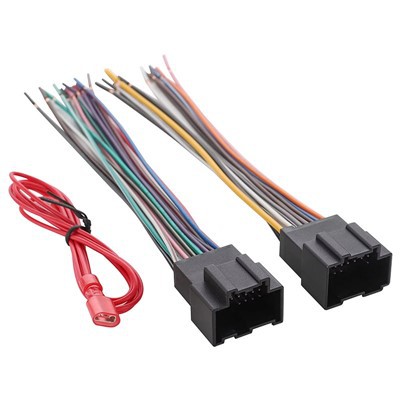
In car audio systems, for example, stereo wire connectors play a vital role. You can find various types of connectors used in car audio, such as the Yellow Radio Wire, which is often used for power supply and can be part of a larger wiring setup for the left and right audio channels. The Harness for Radio Install also includes stereo wire connectors that are designed to connect the car radio to the speakers, allowing for clear and distinct left and right audio signals.
For home audio systems, Universal Stereo Wiring Harness can be used. These harnesses come with stereo wire connectors that are compatible with different types of amplifiers, receivers, and speakers. They provide a convenient and standardized way to connect the left and right channels, ensuring optimal audio performance.
Quality and Performance
The quality of stereo wire connectors has a significant impact on the audio performance. High - quality connectors are made from materials with excellent electrical conductivity, such as copper or silver - plated copper. They also feature proper insulation and shielding to prevent signal interference and crosstalk.
When choosing stereo wire connectors for both left and right channels, it's important to look for connectors that are rated for the specific power and frequency requirements of your audio system. For example, if you have a high - power amplifier, you'll need connectors that can handle the higher current without overheating or causing signal degradation.
In addition to the electrical properties, the mechanical quality of the connectors is also important. Connectors should have a secure and tight fit to ensure a stable connection. Loose connections can lead to intermittent audio problems, such as crackling or loss of signal.
Conclusion
In conclusion, stereo wire connectors can indeed be used for both left and right channels. They offer technical feasibility, practical advantages in terms of wiring simplicity and cost - effectiveness, and high compatibility with different audio systems. However, it's important to consider potential issues such as crosstalk and ensure that high - quality connectors are used.
If you're in the market for stereo wire connectors for your audio system, I invite you to reach out to us. As a supplier, we offer a wide range of high - quality stereo wire connectors that are suitable for various applications. Whether you're a DIY enthusiast setting up a home audio system or a professional in the audio industry, we can provide you with the right connectors to meet your needs. Contact us to start a discussion about your requirements and explore how our products can enhance your audio setup.
References
- Audio Engineering Society Handbook, Third Edition
- Wiring and Cabling for Audio Systems: A Practical Guide