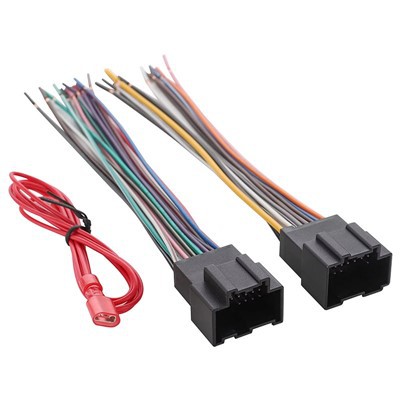
A wiring harness is a crucial component in any electrical system, acting as the nervous system that connects various electrical components and ensures the smooth flow of electrical signals. As a wiring harness supplier, I have witnessed firsthand how these components can significantly impact the performance of an electrical system. In this blog post, I will delve into the ways in which a wiring harness affects the performance of an electrical system, exploring the key factors and considerations.
Electrical Conductivity and Resistance
One of the primary ways a wiring harness affects the performance of an electrical system is through its electrical conductivity and resistance. The conductivity of a wiring harness determines how efficiently it can carry electrical current from one component to another. High - quality wiring harnesses are made from materials with excellent conductivity, such as copper. Copper has low electrical resistance, which means that less energy is lost as heat during the flow of current.
When a wiring harness has high resistance, it can lead to several performance issues. For example, excessive resistance can cause voltage drops across the harness. A voltage drop can result in components receiving less power than they require, leading to reduced performance or even malfunction. In automotive applications, a voltage drop in the wiring harness supplying power to the ignition system can cause misfires, reduced engine power, and increased fuel consumption.
Signal Integrity
In addition to carrying power, wiring harnesses are also responsible for transmitting signals between different components in an electrical system. Signal integrity is crucial for the proper functioning of many modern electrical systems, especially those that rely on complex digital signals.
A well - designed wiring harness can minimize signal interference and ensure that signals are transmitted accurately. This is achieved through proper shielding and insulation of the wires. For instance, in a car's audio system, a high - quality wiring harness can prevent electromagnetic interference (EMI) from external sources, such as the engine or other electrical components. EMI can cause noise and distortion in the audio signal, degrading the overall sound quality.
On the other hand, a poorly designed or damaged wiring harness can introduce signal interference. This can lead to errors in the data transmission between components, resulting in malfunctions. For example, in a computer network, a faulty wiring harness can cause data packets to be lost or corrupted, leading to slow network speeds or even network outages.
Mechanical Durability
The mechanical durability of a wiring harness is another important factor that affects the performance of an electrical system. Wiring harnesses are often exposed to harsh environmental conditions, such as extreme temperatures, vibrations, and moisture. A durable wiring harness can withstand these conditions without experiencing damage.
In automotive applications, for example, the wiring harnesses are subjected to constant vibrations from the engine and the movement of the vehicle. If the wiring harness is not mechanically strong, the wires can become loose or break over time. This can lead to intermittent electrical connections, which can cause a wide range of problems, from minor electrical glitches to complete system failures.
A wiring harness with good mechanical durability is designed with proper strain relief and protection. It may be encased in a protective sheath or conduit to prevent damage from abrasion, impact, and environmental factors. This ensures that the wiring harness can maintain its integrity and continue to function properly over a long period.
Compatibility and Customization
The compatibility of a wiring harness with the rest of the electrical system is essential for optimal performance. Different electrical systems have specific requirements in terms of voltage, current, and signal types. A wiring harness must be designed to meet these requirements to ensure seamless integration.
As a wiring harness supplier, we offer a wide range of products that are designed to be compatible with various electrical systems. For example, our 08L91 SHJ 100A is specifically designed for trailer electrical systems, providing reliable power and signal transmission. We also offer customized wiring harnesses to meet the unique needs of our customers. Whether it's a special application in the automotive, aerospace, or industrial sectors, we can design and manufacture a wiring harness that fits the exact specifications.
Safety
Safety is a critical aspect of any electrical system, and the wiring harness plays a vital role in ensuring it. A well - designed wiring harness is engineered to prevent electrical shorts, overheating, and other safety hazards.
Proper insulation of the wires is essential to prevent electrical shorts. If the insulation is damaged or of poor quality, it can lead to short circuits, which can cause fires or damage to the electrical components. Additionally, wiring harnesses are often equipped with fuses and circuit breakers to protect against overcurrent situations.
In automotive applications, safety - critical systems such as airbags and anti - lock braking systems rely on the integrity of the wiring harness. A faulty wiring harness in these systems can have serious consequences, compromising the safety of the vehicle's occupants.
Impact on System Efficiency
The overall efficiency of an electrical system is also affected by the wiring harness. A high - quality wiring harness can reduce energy losses, improve signal transmission, and enhance the reliability of the system. This, in turn, can lead to lower operating costs and increased productivity.


For example, in an industrial automation system, a well - designed wiring harness can ensure that the various components communicate effectively, reducing downtime and improving the overall efficiency of the production process. In a renewable energy system, such as a solar power plant, a reliable wiring harness can maximize the power output by minimizing energy losses during transmission.
Conclusion
In conclusion, a wiring harness has a profound impact on the performance of an electrical system. From electrical conductivity and signal integrity to mechanical durability, compatibility, safety, and system efficiency, every aspect of the wiring harness plays a crucial role.
As a wiring harness supplier, we are committed to providing high - quality products that meet the diverse needs of our customers. Our 6.0 Injector Wiring Harness and Yellow Radio Wire are just a few examples of our products that are designed to enhance the performance of electrical systems.
If you are looking for a reliable wiring harness supplier, we invite you to contact us for a consultation. Our team of experts can help you select the right wiring harness for your specific application and provide you with the support you need to ensure the optimal performance of your electrical system.
References
- Groover, M. P. (2010). Automation, Production Systems, and Computer - Integrated Manufacturing. Prentice Hall.
- Horowitz, P., & Hill, W. (1989). The Art of Electronics. Cambridge University Press.
- Kirtley, J. L. (2001). Electric Machinery and Transformers. McGraw - Hill.