


Hey there! As a supplier of HVIL (High Voltage Interlock Loop) connectors, I often get asked about the mating cycles of these connectors. So, let's dive right into it and explore what the mating cycles of HVIL connectors are all about.
What are Mating Cycles?
First off, let's clarify what we mean by "mating cycles." In simple terms, a mating cycle refers to the process of connecting and disconnecting a connector. Every time you plug in and then unplug a connector, that counts as one mating cycle. The number of mating cycles a connector can withstand is a crucial factor in determining its durability and reliability.
Why Mating Cycles Matter for HVIL Connectors
HVIL connectors play a vital role in electric vehicles (EVs) and other high - voltage applications. They are designed to ensure the safety of the electrical system by creating a continuous loop that monitors the integrity of the high - voltage circuit. If the loop is broken, it can trigger a safety mechanism to shut down the high - voltage system.
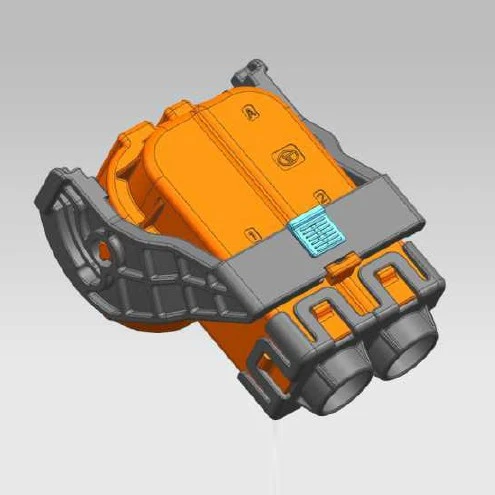

Since these connectors are used repeatedly during the operation and maintenance of EVs, they need to be able to handle a significant number of mating cycles without losing their functionality. A connector that fails after a few mating cycles can lead to safety issues and costly repairs.
Factors Affecting Mating Cycles
There are several factors that can affect the mating cycles of HVIL connectors:
Material Quality
The materials used in the construction of the connector are crucial. High - quality metals, such as copper or brass, are often used for the contacts because they have good electrical conductivity and durability. The housing material also matters. Plastics with high mechanical strength and resistance to environmental factors can help protect the contacts and extend the connector's lifespan.
Design
The design of the connector can significantly impact its mating cycles. A well - designed connector will have proper alignment features, which ensure that the contacts are properly engaged during mating. This reduces wear and tear on the contacts and increases the number of mating cycles the connector can withstand.
Environmental Conditions
The environment in which the connector operates can also affect its mating cycles. Factors such as temperature, humidity, and exposure to chemicals can cause corrosion and degradation of the connector's materials. For example, in a high - humidity environment, the contacts may corrode more quickly, reducing the number of mating cycles.
Typical Mating Cycle Ratings
The mating cycle ratings of HVIL connectors can vary widely depending on the specific design and application. Some HVIL connectors are rated for as few as 100 mating cycles, while others can handle up to 10,000 or more.
For example, our 9mm Two - hole Straight Connector is designed for applications that require a moderate number of mating cycles. It has a rating of around 500 mating cycles, making it suitable for many EV maintenance and service scenarios.
On the other hand, our 9mm Two - hole Curved Connector is built for more demanding applications. It can withstand up to 1000 mating cycles, thanks to its high - quality materials and robust design.
Our 8mm Three - hole Straight Connector is another option with a good balance between performance and durability. It has a mating cycle rating of around 800, making it a versatile choice for various high - voltage applications.
Testing and Certification
To ensure the reliability of our HVIL connectors, we conduct extensive testing to determine their mating cycle ratings. We use specialized equipment to simulate the mating and unmating process thousands of times under different conditions.
In addition to in - house testing, our connectors are also subject to industry - standard certifications. These certifications provide an independent verification of the connector's performance and reliability. For example, our connectors meet the requirements of relevant safety standards such as ISO 6469 for EVs.
How to Maximize Mating Cycles
If you're using HVIL connectors in your application, there are a few things you can do to maximize their mating cycles:
- Proper Installation: Make sure the connectors are installed correctly. Incorrect installation can cause misalignment and excessive wear on the contacts.
- Regular Inspection: Periodically inspect the connectors for signs of damage or wear. If you notice any issues, replace the connector immediately.
- Environmental Protection: Protect the connectors from harsh environmental conditions. This may include using protective covers or installing the connectors in a sheltered location.
Conclusion
In conclusion, the mating cycles of HVIL connectors are an important consideration when choosing a connector for your high - voltage application. By understanding the factors that affect mating cycles and choosing a connector with an appropriate rating, you can ensure the safety and reliability of your electrical system.
If you're in the market for HVIL connectors and want to learn more about our products, feel free to reach out. We're always happy to discuss your specific needs and help you find the right connector for your application. Whether you need a connector with a high mating cycle rating or one that can withstand harsh environmental conditions, we've got you covered.
References
- Industry standards for HVIL connectors (ISO 6469 etc.)
- Technical documentation of HVIL connectors from various manufacturers