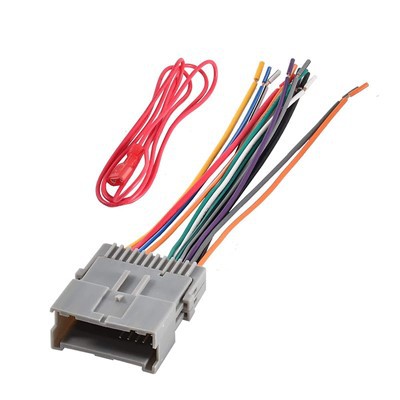
As a trusted supplier of HVIL connectors, I've had numerous inquiries about the lifespan of these critical components. Understanding the lifespan of HVIL connectors is crucial for industries relying on high - voltage systems, such as electric vehicles (EVs), renewable energy storage, and industrial power distribution. In this blog, I'll dive deep into the factors that influence the lifespan of HVIL connectors and provide some insights into how you can maximize their longevity.


What is an HVIL Connector?
Before we discuss the lifespan, let's briefly understand what an HVIL connector is. HVIL, or High - Voltage Interlock Loop, is a safety mechanism used in high - voltage systems. The HVIL Connector plays a vital role in ensuring that the high - voltage circuit is only energized when all the connections are properly made and secured. These connectors are designed to prevent accidental exposure to high - voltage electricity, which can be extremely dangerous.
Factors Affecting the Lifespan of HVIL Connectors
1. Material Quality
The materials used in the construction of HVIL connectors are a primary determinant of their lifespan. High - quality materials can withstand a greater number of cycles, resist corrosion, and maintain their electrical properties over time. For example, connectors made from high - grade plastics and metals are more likely to last longer than those made from lower - quality materials. The choice of materials also affects the connector's ability to withstand environmental factors such as temperature, humidity, and chemical exposure.
2. Operating Conditions
The lifespan of an HVIL connector is significantly influenced by the operating conditions. In harsh environments, such as extreme temperatures, high humidity, or exposure to chemicals, the connector may experience accelerated wear and tear. For instance, in an electric vehicle, the HVIL connector may be exposed to vibrations, temperature fluctuations, and road debris. These factors can cause mechanical stress on the connector, leading to reduced lifespan.
3. Insertion and Removal Cycles
The number of times an HVIL connector is inserted and removed also impacts its lifespan. Each insertion and removal cycle subjects the connector to mechanical stress, which can cause wear on the contact surfaces. Over time, this wear can lead to increased resistance, poor electrical conductivity, and eventually, connector failure. Connectors with a higher rated number of insertion and removal cycles are generally more durable.
4. Electrical Load
The electrical load that the HVIL connector is subjected to can affect its lifespan. High - current applications can generate more heat, which can accelerate the degradation of the connector's materials. Additionally, overloading the connector can cause arcing and other electrical issues, further reducing its lifespan.
Lifespan Estimates
It's challenging to provide a precise lifespan for HVIL connectors because it depends on the factors mentioned above. However, under normal operating conditions, a well - designed and properly maintained HVIL connector can last anywhere from 10,000 to 100,000 insertion and removal cycles.
In some cases, where the operating conditions are relatively mild and the connector is of high quality, it may even exceed these estimates. On the other hand, in harsh environments or with improper use, the lifespan can be significantly shorter.
Maximizing the Lifespan of HVIL Connectors
1. Proper Installation
Proper installation is crucial for maximizing the lifespan of HVIL connectors. Ensure that the connector is installed according to the manufacturer's specifications. This includes proper alignment, tightening of fasteners, and protection against environmental factors.
2. Regular Maintenance
Regular maintenance can help identify and address potential issues before they lead to connector failure. This includes inspecting the connector for signs of wear, corrosion, or damage, and cleaning the contact surfaces as needed.
3. Choosing the Right Connector
Selecting the right HVIL connector for your application is essential. Consider factors such as the electrical load, operating environment, and the number of insertion and removal cycles required. For example, if you need a connector for a high - vibration environment, you may want to choose a connector with a more robust design. We offer a variety of HVIL connectors, such as the 8mm Three - hole Curved HVIL Connector and the 8mm Three - hole Straight Connector, which are designed to meet different application requirements.
Conclusion
The lifespan of an HVIL connector is influenced by multiple factors, including material quality, operating conditions, insertion and removal cycles, and electrical load. By understanding these factors and taking appropriate measures to maximize the lifespan, you can ensure the reliable operation of your high - voltage systems.
If you're in the market for HVIL connectors, we're here to help. Our team of experts can assist you in selecting the right connector for your specific needs. Whether you're working on an electric vehicle project, a renewable energy system, or an industrial power application, we have the expertise and products to meet your requirements. Contact us to start a procurement discussion and find the best HVIL connector solution for your business.
References
- "High - Voltage Interlock Loop (HVIL) Systems in Electric Vehicles," Journal of Automotive Engineering.
- "Materials and Design Considerations for High - Voltage Connectors," IEEE Transactions on Power Electronics.