


When it comes to inspecting a trailer wiring harness, there are several crucial aspects that you should pay close attention to. As a trailer wiring harness supplier, I've seen firsthand the importance of a thorough inspection to ensure the safety and functionality of your trailer. In this blog, I'll share with you the key factors to consider when inspecting a trailer wiring harness.
1. Physical Condition of the Wiring
The first thing you need to examine is the physical condition of the wiring itself. Look for any signs of wear, tear, or damage. Cracks, fraying, or exposed wires are clear indicators that the wiring harness may be compromised. These issues can lead to electrical shorts, which can not only cause your trailer lights to malfunction but also pose a significant safety risk.
Inspect the insulation of the wires. The insulation should be intact and free from any cuts or abrasions. If the insulation is damaged, it can expose the wires to moisture, dirt, and other contaminants, which can lead to corrosion and electrical problems.
Check for any loose connections. Wires that are not properly connected can cause intermittent electrical issues. Make sure all the connectors are secure and that there is no movement or play in the connections. You can gently tug on the wires to see if they are firmly attached.
2. Electrical Continuity
Electrical continuity is another critical aspect of inspecting a trailer wiring harness. This refers to the ability of the electrical current to flow smoothly through the wires. You can use a multimeter to test the continuity of the wires.
Set the multimeter to the continuity setting and touch the probes to the ends of each wire. If the multimeter beeps, it indicates that there is a continuous electrical path through the wire. If there is no beep, it means that there is a break in the wire, and it needs to be repaired or replaced.
Test each wire in the harness to ensure that they all have proper continuity. This includes the wires for the brake lights, turn signals, running lights, and any other electrical components on the trailer.
3. Grounding
Proper grounding is essential for the safe and efficient operation of a trailer wiring harness. A good ground connection ensures that the electrical current can flow back to the source without any issues.
Inspect the ground wire for any signs of damage or corrosion. The ground wire should be securely attached to the trailer frame and should have a clean and tight connection. If the ground wire is loose or corroded, it can cause electrical problems and affect the performance of the trailer lights.
You can use a multimeter to test the grounding. Set the multimeter to the resistance setting and touch one probe to the ground wire and the other probe to the trailer frame. A low resistance reading indicates a good ground connection. If the resistance is high, it means that there is a problem with the grounding, and it needs to be addressed.

4. Connector Condition
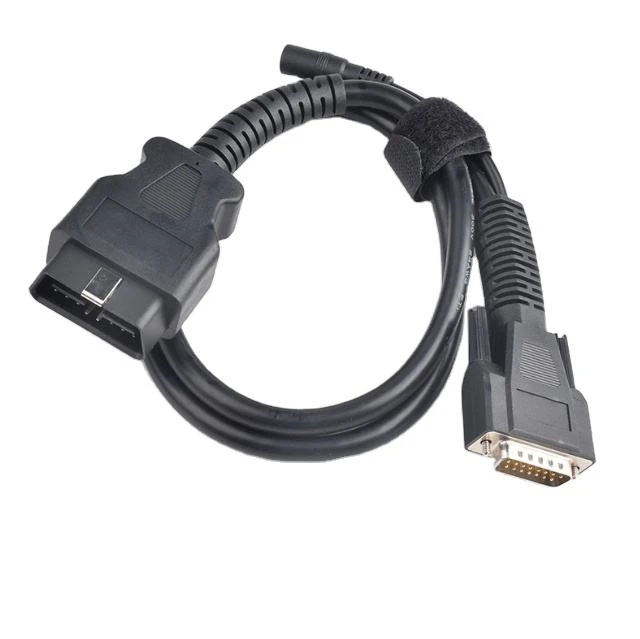
The connectors in a trailer wiring harness are the points where the wires are joined together. They are also the most vulnerable parts of the harness, as they are exposed to the elements and can be easily damaged.
Inspect the connectors for any signs of corrosion, dirt, or damage. Corrosion can prevent the electrical current from flowing properly, while dirt and debris can cause a poor connection. If the connectors are dirty, you can clean them with a wire brush or a contact cleaner.
Check the pins in the connectors to make sure they are straight and not bent. Bent pins can cause a poor connection and lead to electrical problems. If the pins are bent, you can try to straighten them with a pair of pliers.
Make sure the connectors are properly mated and that there is no gap between them. A loose connection can cause intermittent electrical issues and affect the performance of the trailer lights.
5. Compatibility
When inspecting a trailer wiring harness, it's important to ensure that it is compatible with your trailer and your vehicle. Different trailers and vehicles may require different types of wiring harnesses, so it's crucial to choose the right one.
Check the number of pins in the connector to make sure it matches the number of pins on your trailer and your vehicle. For example, if your trailer has a 7-pin connector and your vehicle has a 4-pin connector, you will need an adapter to make the connection.
Consider the type of trailer you have. Different types of trailers, such as utility trailers, travel trailers, and gooseneck trailers, may require different types of wiring harnesses. Make sure the wiring harness you choose is designed for your specific type of trailer.
6. Additional Features
Some trailer wiring harnesses come with additional features that can enhance the safety and functionality of your trailer. These features may include surge protectors, diodes, and breakaway switches.
Surge protectors can help protect your trailer's electrical system from voltage spikes and surges. Diodes can prevent electrical feedback and ensure that the electrical current flows in the correct direction. Breakaway switches are designed to activate the trailer brakes in the event of a trailer separation from the vehicle.
When inspecting a trailer wiring harness, check to see if it has any of these additional features. If it does, make sure they are in working condition and that they are properly installed.
7. Manufacturer's Recommendations
Finally, it's important to follow the manufacturer's recommendations when inspecting a trailer wiring harness. The manufacturer's instructions will provide you with specific guidelines on how to inspect and maintain the wiring harness.
Read the owner's manual or the installation instructions that came with the wiring harness. These documents will provide you with valuable information on the proper use and care of the wiring harness.
If you have any questions or concerns about the inspection process, don't hesitate to contact the manufacturer or a professional trailer wiring technician. They can provide you with expert advice and guidance to ensure that your trailer wiring harness is in good working condition.
In conclusion, inspecting a trailer wiring harness is a crucial step in ensuring the safety and functionality of your trailer. By paying attention to the physical condition of the wiring, electrical continuity, grounding, connector condition, compatibility, additional features, and manufacturer's recommendations, you can identify and address any potential issues before they become major problems.
If you're in the market for a high-quality trailer wiring harness, we offer a wide range of products to meet your needs. Our Etrailer Wiring Harness is designed for durability and reliability, and our 13 Pin Wiring Kit provides a comprehensive solution for your trailer's electrical needs. We also offer 02 F250 Trailer Wiring, Wishbone Wiring Harness, and Gooseneck Wiring Harness for specific applications.
If you have any questions or would like to discuss your trailer wiring harness needs, please feel free to contact us. We're here to help you find the right solution for your trailer.
References
- Trailer Wiring Manuals from Various Manufacturers
- Electrical Engineering Textbooks on Automotive Wiring Systems