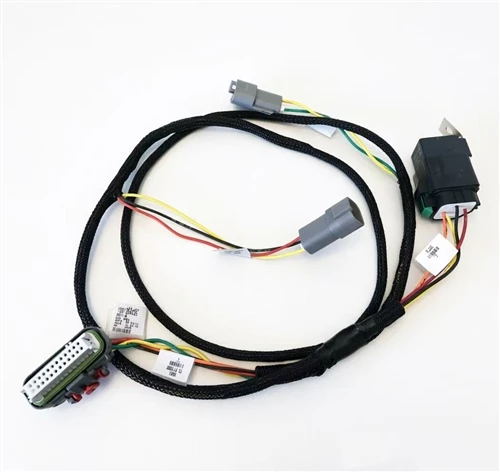
In the complex electronic architectures of passenger and commercial vehicles, the wiring harness acts as the vehicle's "nervous system," connecting engine control units, sensors, infotainment systems, and various actuators. However, the environment inside a vehicle is far from "mild" - continuous vibration, extreme temperature fluctuations, oil, and moisture constantly challenge the reliability of every connection. Even a slight contact issue can cause intermittent signals, false warning lights, or, worse, restricted powertrain performance and safety hazards.
Recently, a US-based client approached Mingching (a custom cable factory in Shenzhen) seeking a custom automotive wiring harness for their passenger and commercial vehicle onboard systems. The application scenario was highly representative: vehicles operate across diverse road conditions, with engine bay temperatures ranging from -40°C during cold starts to 125°C under heavy summer loads. At the same time, intense vibration from the chassis and engine compartment places extreme demands on connector stability. The client reported that their existing harness occasionally lost signal under severe conditions - caused primarily by fretting wear from vibration and terminal stress relaxation due to temperature cycling.
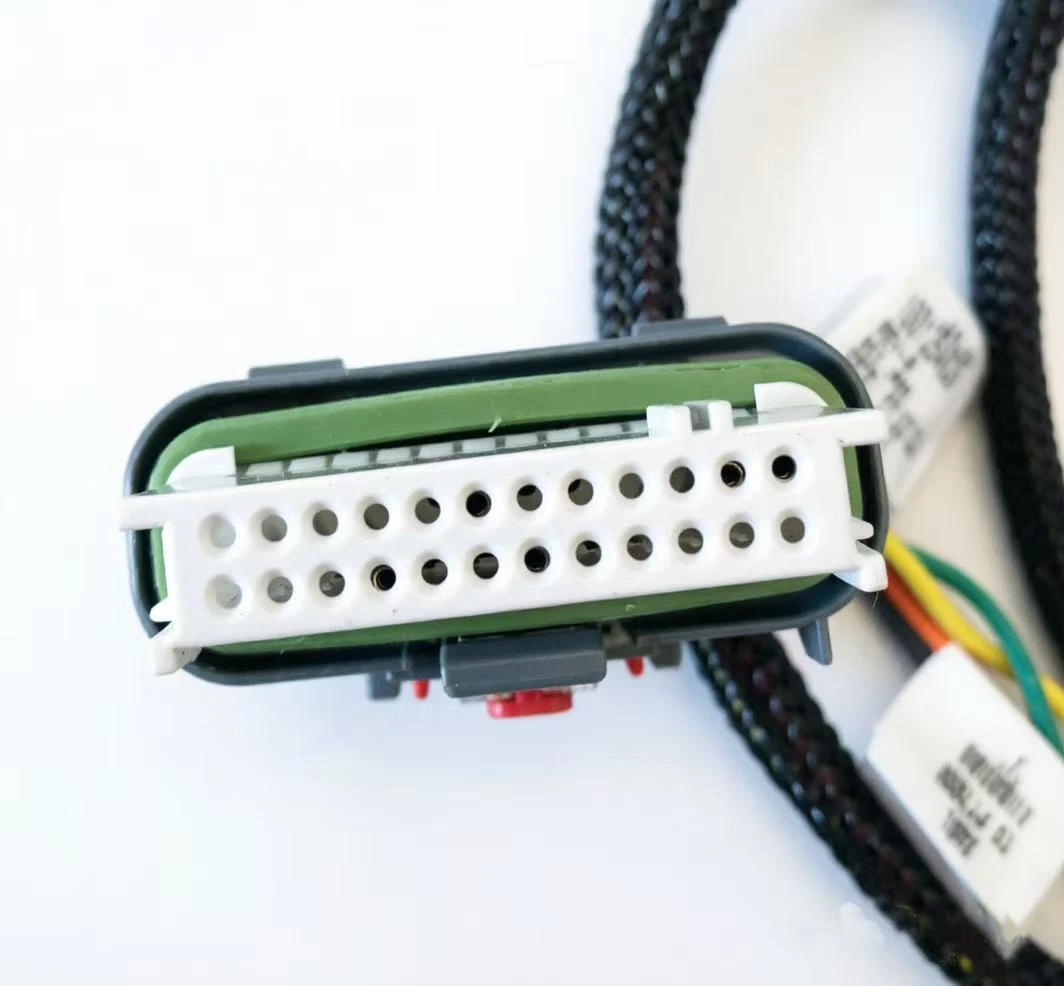
To address these core pain points, Mingching developed a comprehensive custom solution:
Automotive-grade terminals and cables - From terminal materials (e.g., tin- or gold-plated copper alloys) to insulation layers (cross-linked polyethylene or silicone rubber), all materials meet automotive industry standards (such as USCAR and ISO 6722). This ensures stable contact force across a wide temperature range and effective resistance to fretting corrosion.
Meeting DLG and other special specifications - The client explicitly required compliance with DLG (German Agricultural Society) standards or other technical specifications. DLG standards define strict protection classes against water, dust, and chemical corrosion for agricultural and special-purpose vehicle harnesses. Mingching precisely matched the DLG test requirements based on the client's specification sheet, guaranteeing long-term reliability even in muddy, humid, or chemical-laden agricultural environments.
Rigorous flame retardancy and temperature endurance - The harness achieves VW-1 or equivalent UL flame-retardant ratings, with an operating temperature range of -40°C to 125°C and short-term tolerance up to 150°C. The insulation material offers excellent aging and oil resistance, meeting under-hood and chassis routing demands.
Vibration-resistant structural design - Optimized connector latches, increased terminal retention force, and strain-relief backshells effectively absorb vibration energy, preventing terminal loosening or breakage.
Ultimately, Mingching delivered complete samples that passed the client's in-vehicle durability tests - including thermal cycling, vibration table simulation, and salt spray exposure - with zero signal errors. The client promptly placed a mass production order, and the collaboration proceeded smoothly.
At Mingching, we believe a reliable automotive harness reflects a deep understanding of every environmental risk: vibration, temperature, corrosion, and aging. True customization is not just about "connecting" - it's about building a robust channel for signals and power for every vehicle and every journey.
Need a high-reliability wiring harness for your passenger, commercial, or special-purpose vehicle? Contact Mingching Cables - your Shenzhen cable expert.