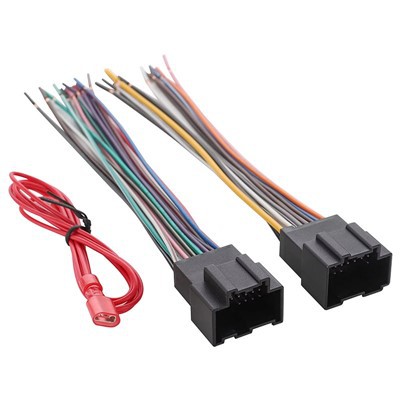
Improving the sound quality of your car audio system is a goal shared by many car enthusiasts. A crucial yet often overlooked component in this pursuit is the car radio wire. As a trusted car radio wire supplier, I've witnessed firsthand how the right wiring can transform your in - car listening experience. In this blog post, I'll share some insights on how to improve sound quality using car radio wires.
Understanding the Basics of Car Radio Wires
Before delving into how to improve sound quality, it's essential to understand the role of car radio wires. These wires are the lifeline of your car audio system, responsible for transmitting electrical signals from the radio unit to the speakers. The quality of these wires can significantly impact the clarity and fidelity of the sound you hear.
There are several types of car radio wires, each with its own characteristics. Speaker wires, for example, are used to connect the radio to the speakers. They come in different gauges, which refer to the thickness of the wire. Thicker wires (lower gauge numbers) generally have less resistance, allowing for better signal transmission and potentially better sound quality. Power wires are another crucial type. They supply electrical power to the radio unit and amplifier. A high - quality power wire ensures a stable power supply, reducing noise and interference.
Choosing the Right Car Radio Wires
When it comes to improving sound quality, choosing the right car radio wires is paramount. Here are some factors to consider:


Gauge
As mentioned earlier, the gauge of the wire is important. For speaker wires, a lower gauge (e.g., 14 - gauge or 12 - gauge) is generally recommended for better sound quality, especially if you have high - power speakers. A lower gauge wire has less resistance, which means less power loss and a cleaner signal. For power wires, a thicker gauge like 8 - gauge or 4 - gauge may be necessary, especially if you have a high - power amplifier.
Material
The material of the wire also plays a significant role. Copper is a popular choice for car radio wires because of its excellent conductivity. Oxygen - free copper (OFC) is even better as it has fewer impurities, resulting in lower resistance and better signal transfer. Some high - end wires are also made of silver, which has even higher conductivity than copper, but they are usually more expensive.
Shielding
Shielded wires are designed to reduce electromagnetic interference (EMI). EMI can come from various sources, such as the car's electrical system or external radio signals. A shielded car radio wire can help prevent this interference from affecting the audio signal, resulting in clearer sound. When choosing speaker or power wires, look for ones with a good shielding layer.
There are also specific types of wire products that can further enhance your car audio system. For instance, Stereo Wire Connectors are essential for making secure connections between different components of your audio system. A reliable connector ensures that the signal is transmitted without any loss or interference.
Proper Installation of Car Radio Wires
Even the best car radio wires won't improve sound quality if they are not installed correctly. Here are some installation tips:
Avoid Kinks and Twists
When routing the wires, make sure to avoid kinks and twists. Kinks can cause damage to the wire, increasing resistance and potentially degrading the sound quality. Twisted wires can also create electromagnetic interference. Instead, lay the wires as straight as possible and use cable ties or clips to secure them in place.
Separate Power and Signal Wires
Power wires carry high - current electrical signals, while speaker and signal wires carry low - voltage audio signals. Keeping these two types of wires separate can prevent electromagnetic interference. For example, don't run the power wire and the speaker wire side by side for long distances. If you need to cross them, do it at a 90 - degree angle.
Use a Harness for Radio Install
A harness for radio install can simplify the installation process and ensure correct connections. It is a pre - wired assembly that allows you to connect your new radio unit to the car's electrical system easily. Using a harness can also reduce the risk of making incorrect connections, which can lead to poor sound quality or even damage to the audio system.
Grounding the Car Radio Wires
Proper grounding is essential for improving sound quality in your car audio system. A good ground connection ensures that the electrical current has a proper path to flow, reducing noise and interference.
Choose the Right Grounding Point
The grounding point should be clean, bare metal on the car's chassis. Remove any paint, rust, or dirt from the grounding point to ensure a good electrical connection. A loose or corroded ground connection can cause hissing, popping, or other noise issues.
Use a Dedicated Ground Wire
It's recommended to use a dedicated ground wire for the radio unit and amplifier. This wire should be of an appropriate gauge, similar to the power wire. A dedicated ground wire helps to ensure a stable and low - resistance ground connection.
Using a Universal Stereo Wiring Harness
A universal stereo wiring harness can be a great solution for improving sound quality, especially if you are upgrading your car radio. It provides a standardized way to connect your new radio to the car's existing wiring system.
Compatibility
Universal stereo wiring harnesses are designed to be compatible with a wide range of car models and radio units. They come with color - coded wires that match the wiring in your car and the new radio, making the installation process much easier.
Signal Integrity
By using a universal stereo wiring harness, you can ensure that the audio signals are transmitted accurately from the radio to the speakers. These harnesses are often made with high - quality wires and connectors, which helps to maintain the integrity of the audio signal.
Regular Maintenance of Car Radio Wires
Maintaining your car radio wires is also important for long - term sound quality. Over time, wires can become loose, corroded, or damaged.
Inspect the Wires Regularly
Check the wires for any signs of wear, such as fraying or cracking. Also, make sure that all the connections are tight. Loose connections can cause intermittent sound problems or even complete loss of sound.
Clean the Connectors
If you notice any corrosion on the connectors, clean them using a mild electrical contact cleaner. Corrosion can increase resistance and degrade the sound quality.
Conclusion
Improving the sound quality of your car audio system with car radio wires involves choosing the right wires, installing them correctly, ensuring proper grounding, and regular maintenance. As a car radio wire supplier, I'm committed to providing high - quality products that can help you achieve the best possible sound in your car.
If you're looking to upgrade your car radio wires or have any questions about improving your car audio system, I encourage you to reach out for a procurement discussion. I'm here to assist you in finding the perfect solutions for your needs.
References
- Automotive Audio Installation Manuals
- Car Audio Technology Journals
- Manufacturer's Specifications for Car Radio Wires