


As a supplier of yellow radio wires, I've witnessed firsthand the issues that can arise when these wires overheat. Overheating not only shortens the lifespan of the wire but can also pose a significant safety risk. In this blog, I'll share some effective strategies to prevent a yellow radio wire from overheating.
Understanding the Causes of Overheating
Before we dive into prevention methods, it's crucial to understand what causes a yellow radio wire to overheat. There are several factors at play, and each requires a different approach to mitigation.
Excessive Current Flow
One of the primary causes of overheating is excessive current flow. When a wire is subjected to more current than it can handle, it generates heat. This can happen if the radio system is drawing too much power, or if there's a short circuit in the wiring. For example, if you've installed a high - power amplifier in your car radio system without properly sizing the wires, the yellow radio wire may be forced to carry more current than its rated capacity, leading to overheating.
Poor Insulation
Another common cause is poor insulation. If the insulation on the yellow radio wire is damaged or of low quality, it can allow current to leak, which in turn generates heat. Over time, exposure to heat, moisture, and physical abrasion can degrade the insulation, increasing the risk of overheating.
Inadequate Ventilation
In some cases, overheating can be due to inadequate ventilation. When the wire is enclosed in a tight space with limited air circulation, the heat generated by the wire has nowhere to go. This is often the case in car dashboards or audio equipment cabinets, where wires are bundled together.
Prevention Strategies
Proper Wire Sizing
The first step in preventing overheating is to ensure that the yellow radio wire is properly sized for the electrical load. This means choosing a wire with an appropriate gauge. A wire gauge is a measure of the wire's diameter, and a lower gauge number indicates a thicker wire. Thicker wires can carry more current without overheating.
To determine the correct wire gauge, you need to know the maximum current that the radio system will draw. You can find this information in the product manual of your radio or amplifier. Once you have the current rating, you can refer to a wire gauge chart to select the appropriate wire. For example, if your radio system draws 10 amps of current, a 16 - gauge wire may be sufficient. However, if it draws 20 amps, you'll need a 14 - gauge wire.
High - Quality Insulation
Investing in high - quality insulation is essential. Look for wires with insulation that is resistant to heat, moisture, and abrasion. There are different types of insulation materials available, such as PVC (polyvinyl chloride) and Teflon. PVC is a common and cost - effective option, while Teflon offers better heat resistance and durability.
When installing the yellow radio wire, make sure to handle it carefully to avoid damaging the insulation. If you notice any signs of damage, such as cracks or cuts, replace the wire immediately.
Adequate Ventilation
To prevent overheating due to poor ventilation, ensure that the yellow radio wire has enough space to breathe. Avoid bundling wires too tightly, and make sure there is sufficient air circulation around the wire. If possible, use wire looms or conduit to organize the wires and provide some separation.
In car applications, you can also consider installing a ventilation fan near the radio wiring area to improve air flow. This can help dissipate the heat generated by the wire more effectively.
Use of Fuses and Circuit Breakers
Installing fuses and circuit breakers is an important safety measure. A fuse is a small device that breaks the circuit when the current exceeds a certain level, preventing excessive current from flowing through the wire. Circuit breakers work in a similar way but can be reset after they trip.
Choose a fuse or circuit breaker with a rating that is appropriate for the yellow radio wire. For example, if the wire is rated for 15 amps, a 15 - amp fuse or circuit breaker would be suitable. This will protect the wire from overheating in case of a short circuit or other electrical faults.
Quality Components and Accessories
Using high - quality components and accessories can also help prevent overheating. For example, Stereo Wiring Harness Adapter can ensure a proper connection between the radio and the wiring, reducing the risk of loose connections that can cause overheating.
A Universal Stereo Wiring Harness provides a standardized way to connect the radio to the vehicle's electrical system, making it easier to install and reducing the chances of wiring errors.
Stereo Wire Connectors are another important component. Make sure to use connectors that are designed for the specific gauge of the yellow radio wire and that provide a secure and reliable connection.
Regular Inspection and Maintenance
Regular inspection and maintenance are key to preventing overheating. Check the yellow radio wire periodically for signs of damage, such as discoloration, melting, or fraying. Look for any loose connections or signs of corrosion.
If you notice any issues, address them immediately. Replace damaged wires, tighten loose connections, and clean any corroded terminals. By staying on top of maintenance, you can catch potential problems before they lead to overheating.
Conclusion
Preventing a yellow radio wire from overheating requires a combination of proper wire sizing, high - quality insulation, adequate ventilation, the use of fuses and circuit breakers, and regular inspection and maintenance. By following these strategies, you can ensure the safety and longevity of your radio wiring system.

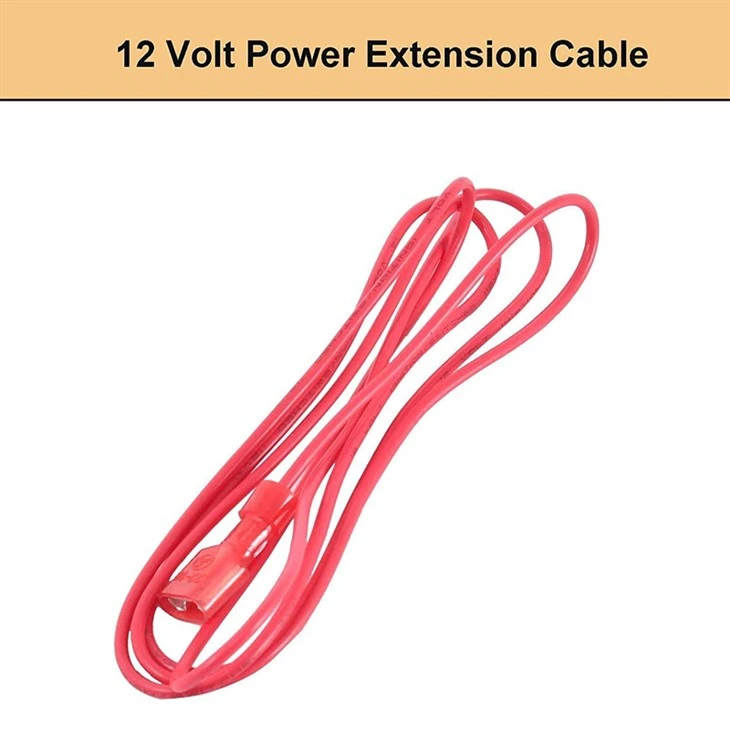
As a supplier of yellow radio wires, I'm committed to providing high - quality products and helping our customers prevent overheating issues. If you're interested in purchasing yellow radio wires or have any questions about preventing overheating, I encourage you to contact us for a procurement discussion. We'll be happy to assist you in finding the right solutions for your needs.
References
- Electrical Wiring Handbook, various editions
- Automotive Electrical Systems Manuals
- Manufacturer's product specifications for radio and wiring components