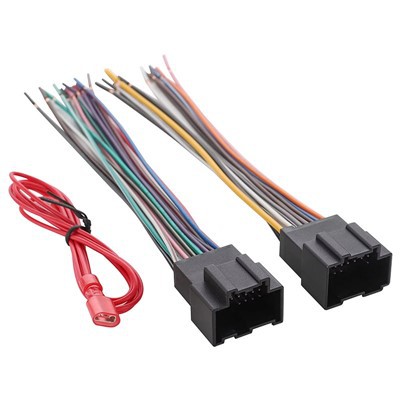
As a supplier of OBD II Port Splitters, I've witnessed firsthand the growing popularity of these devices in the automotive industry. These splitters are incredibly useful, allowing multiple devices to connect to the On - Board Diagnostic II (OBD II) port of a vehicle simultaneously. However, like any technology, they come with their fair share of common problems. In this blog, I'll delve into the most prevalent issues that users might encounter with OBD II Port Splitters.
1. Compatibility Issues
One of the primary problems with OBD II Port Splitters is compatibility. The OBD II standard is a broad one, and while most vehicles manufactured after 1996 in the United States are required to have an OBD II port, there can still be variations. Some vehicles have unique electrical characteristics or communication protocols that may not be fully supported by all splitters.
For example, certain high - end luxury cars or specialized commercial vehicles might have proprietary communication methods. When using an OBD II Port Splitter on these vehicles, you might find that one or more of the connected devices fail to communicate properly with the vehicle's computer. This could result in error messages on the diagnostic tools, or the devices might not be able to retrieve any data at all.
To mitigate this issue, it's crucial to choose a splitter that is known for its wide compatibility. Our OBD2 3 Way Splitter is designed to work with a vast range of vehicles, but it's always a good idea to check the product specifications and customer reviews to ensure it will work with your specific vehicle.
2. Power - Related Problems
The OBD II port provides power to the connected devices, and when you use a splitter, you're essentially dividing that power among multiple devices. This can lead to power - related issues, especially if the connected devices are power - hungry.
If the total power consumption of the devices connected to the splitter exceeds the power output of the OBD II port, some devices may not function correctly. For instance, a diagnostic scanner might display a low - power warning or shut down unexpectedly. In some cases, the vehicle's OBD II port might also detect an abnormal power draw and shut off the power supply to protect itself.
To avoid power problems, it's important to consider the power requirements of the devices you plan to connect. Our OBD Splitter Adapter is engineered to manage power distribution effectively, but it's still advisable to limit the number of high - power devices connected simultaneously.
3. Signal Interference
Signal interference is another common problem associated with OBD II Port Splitters. When multiple devices are connected to the splitter, they all share the same communication lines from the OBD II port. This can lead to interference, especially if the devices are sending and receiving data at the same time.
Interference can cause data corruption, resulting in inaccurate diagnostic readings. For example, a fault code might be misinterpreted, or the data on a vehicle's performance parameters might be incorrect. This can be particularly dangerous in situations where accurate diagnostic information is crucial for vehicle safety.
To reduce signal interference, it's recommended to use high - quality splitters with proper shielding. Our Diagnostic Port Splitter features advanced shielding technology to minimize signal interference and ensure reliable data transfer.
4. Connection Stability
The physical connection between the splitter and the OBD II port, as well as between the splitter and the connected devices, can also be a source of problems. Over time, the connectors can become loose or damaged, leading to intermittent connections.
A loose connection can cause the connected devices to lose communication with the vehicle's computer. This can result in sudden data loss or the inability to perform diagnostic tests. Additionally, if the connectors are not properly seated, it can also lead to power issues and signal interference.
Regularly inspecting the connectors for signs of wear and tear and ensuring they are firmly connected can help prevent connection stability problems. If you encounter any issues with the connectors, it's advisable to replace the splitter or the affected cables.
5. Software and Firmware Incompatibility
In some cases, the software or firmware of the connected devices may not be compatible with the OBD II Port Splitter. This can lead to a variety of problems, such as the devices not being recognized by the splitter, or the splitter not being able to communicate with the devices correctly.


Software updates can sometimes introduce new compatibility issues, or the devices may have been designed with certain assumptions about the OBD II communication that are not met by the splitter. To address this problem, it's important to keep the software and firmware of both the connected devices and the splitter up - to - date.
6. Limited Functionality with Some Devices
Certain advanced diagnostic devices or specialized aftermarket accessories may not work as expected when used with an OBD II Port Splitter. These devices may require a direct and exclusive connection to the OBD II port to access certain features or perform specific functions.
For example, some high - end diagnostic scanners may have features that rely on continuous and uninterrupted communication with the vehicle's computer. When used with a splitter, these features may be disabled or may not work correctly due to the shared nature of the connection.
Before purchasing a splitter, it's important to research whether it will support the specific devices and functions you need. If you require full functionality of advanced devices, you may need to consider alternative solutions or use the splitter in combination with other accessories.
Conclusion
While OBD II Port Splitters offer a convenient way to connect multiple devices to a vehicle's OBD II port, they are not without their problems. Compatibility issues, power - related problems, signal interference, connection stability, software and firmware incompatibility, and limited functionality with some devices are among the most common challenges that users may face.
However, as a trusted supplier of OBD II Port Splitters, we are committed to providing high - quality products that minimize these problems. Our OBD2 3 Way Splitter, OBD Splitter Adapter, and Diagnostic Port Splitter are designed with the latest technology and strict quality control measures to ensure reliability and performance.
If you are experiencing any problems with OBD II Port Splitters or are looking to purchase a new one, we encourage you to contact us for a consultation. Our team of experts is ready to help you find the right solution for your needs. Whether you are a professional mechanic, an automotive enthusiast, or a business owner, we look forward to discussing your requirements and assisting you in your procurement process.
References:
- SAE International standards on OBD II technology
- Industry reports on automotive diagnostic tools
- User manuals of popular OBD II devices