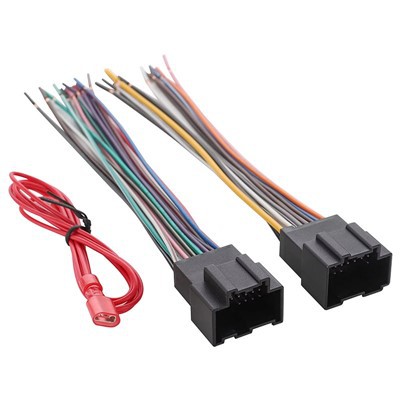
When it comes to dragster wiring, understanding the differences between solid and stranded wires is crucial. As a dragster wiring supplier, I've witnessed firsthand the impact these choices can have on the performance and reliability of a dragster's electrical system. In this blog post, I'll delve into the key differences between solid and stranded wires in the context of dragster wiring, exploring their characteristics, advantages, and disadvantages.
Physical Structure
Solid wires are composed of a single, continuous piece of conducting material, typically copper. This design gives solid wires a smooth, uniform surface and a relatively rigid structure. In contrast, stranded wires are made up of multiple smaller strands of conducting material twisted together. This construction results in a more flexible and malleable wire.


Flexibility and Bendability
One of the most significant differences between solid and stranded wires is their flexibility. Stranded wires are much more flexible than solid wires, making them easier to route and install in tight spaces. This flexibility is particularly important in dragster wiring, where wires often need to be routed around engine components, chassis frames, and other obstacles. Solid wires, on the other hand, are less flexible and more prone to breaking or cracking when bent sharply.
Current-Carrying Capacity
Another important factor to consider when choosing between solid and stranded wires is their current-carrying capacity. Solid wires generally have a higher current-carrying capacity than stranded wires of the same gauge. This is because the single, continuous conductor in a solid wire offers less resistance to the flow of electricity. However, stranded wires can also handle significant amounts of current, especially when properly sized.
Resistance and Voltage Drop
Resistance is a measure of how much a wire opposes the flow of electricity. Stranded wires typically have a slightly higher resistance than solid wires due to the additional surface area created by the multiple strands. This higher resistance can result in a small amount of voltage drop, which can affect the performance of electrical components. However, in most dragster applications, the voltage drop is negligible and can be compensated for by proper wire sizing.
Durability and Reliability
In terms of durability and reliability, both solid and stranded wires have their advantages and disadvantages. Solid wires are more resistant to corrosion and mechanical damage, making them a good choice for applications where the wire will be exposed to harsh environments. Stranded wires, on the other hand, are more flexible and less prone to breaking or cracking, making them a better choice for applications where the wire will be subject to frequent bending or movement.
Cost
Cost is another important consideration when choosing between solid and stranded wires. Solid wires are generally less expensive than stranded wires of the same gauge. This is because the manufacturing process for solid wires is simpler and requires less material. However, the cost difference between solid and stranded wires is usually not significant, especially when considering the long-term performance and reliability of the wiring system.
Applications in Dragster Wiring
In dragster wiring, both solid and stranded wires have their place. Solid wires are often used for power distribution and grounding, where a high current-carrying capacity and low resistance are required. Stranded wires, on the other hand, are commonly used for signal wiring and control circuits, where flexibility and bendability are more important.
Conclusion
In conclusion, the choice between solid and stranded wires in dragster wiring depends on a variety of factors, including flexibility, current-carrying capacity, resistance, durability, and cost. As a dragster wiring supplier, I recommend carefully considering these factors when selecting the right wire for your application. By choosing the right wire, you can ensure the performance and reliability of your dragster's electrical system.
If you're in the market for dragster wiring, I encourage you to explore our Dragster Wiring and Drag Race Car Wiring Harness options. We also offer Race Car Kill Switch Wiring solutions to ensure the safety of your dragster. If you have any questions or need assistance with your wiring needs, please don't hesitate to contact us. We're here to help you make the right choice for your dragster.
References
- Electrical Wiring Handbook, by Rex Miller
- Automotive Electrical and Electronic Systems, by William H. Crouse and Donald L. Anglin
- Wiring Harness Design and Manufacturing, by John W. Eaton