In the high - octane world of racing, every component of a race car plays a crucial role in its performance. One often - overlooked yet vital aspect is the electrical system. As a race car wiring supplier, I've witnessed firsthand the consequences of overloading a race car's electrical system. In this blog, we'll delve into the risks associated with overloading and why it's a concern that every race car enthusiast should take seriously.
Understanding the Race Car Electrical System
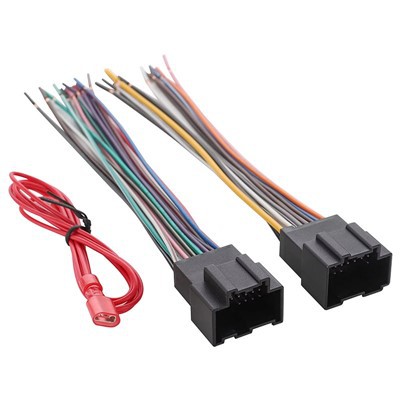
Before we explore the risks of overloading, it's essential to understand the basic components of a race car's electrical system. At its core, the electrical system consists of a battery, alternator, wiring harness, and various electrical components such as lights, ignition systems, and sensors. The battery provides the initial power to start the engine, while the alternator replenishes the battery's charge and powers the electrical components while the engine is running. The wiring harness acts as the nervous system of the car, carrying electrical signals and power throughout the vehicle.
The Dangers of Overloading
Overloading a race car's electrical system occurs when the demand for electrical power exceeds the system's capacity. This can happen for several reasons, including adding too many electrical components, using high - power devices, or having a faulty electrical system. Here are some of the significant risks associated with overloading:
1. Electrical Fires
One of the most severe risks of overloading is the potential for electrical fires. When the electrical system is overloaded, the wires can heat up due to the excessive current flowing through them. If the heat generated is not dissipated properly, it can cause the insulation on the wires to melt, leading to a short circuit. A short circuit can create a spark, which can ignite flammable materials in the car, such as fuel or oil. Electrical fires can spread quickly and cause significant damage to the race car, as well as pose a serious safety risk to the driver and spectators.


2. Component Failure
Overloading can also cause premature failure of electrical components. When components are subjected to excessive current, they can overheat and burn out. For example, a high - power audio system or a large number of auxiliary lights can draw more current than the alternator can supply. This can cause the battery to drain quickly and put additional stress on the alternator, leading to its failure. Similarly, other components such as relays, fuses, and switches can also be damaged by overloading, resulting in malfunctions and costly repairs.
3. Reduced Performance
An overloaded electrical system can also have a negative impact on the race car's performance. When the electrical system is struggling to meet the demand for power, it can cause fluctuations in voltage and current. This can affect the operation of critical components such as the ignition system, fuel injection system, and engine control unit. As a result, the engine may misfire, lose power, or experience poor fuel efficiency. In a race situation, even a slight decrease in performance can mean the difference between winning and losing.
4. Safety Hazards
In addition to the risk of electrical fires, overloading can also create other safety hazards. For example, if the electrical system fails while the car is in motion, it can cause the lights to go out, the brakes to malfunction, or the steering to become unresponsive. These issues can make the car difficult to control and increase the risk of accidents. Moreover, a malfunctioning electrical system can also interfere with the operation of safety features such as airbags and anti - lock braking systems, further compromising the driver's safety.
Preventing Overloading
As a race car wiring supplier, I recommend taking several steps to prevent overloading the electrical system. First, it's important to carefully plan the electrical system and ensure that the components are properly sized for the intended use. This includes selecting the right battery, alternator, and wiring harness. The battery should have enough capacity to meet the power requirements of the electrical components, while the alternator should be able to recharge the battery and supply power to the components while the engine is running.
Second, it's crucial to avoid adding too many electrical components to the car. Before installing new components, it's important to calculate the total power consumption and ensure that the electrical system can handle the additional load. If necessary, consider upgrading the electrical system to accommodate the new components.
Third, regular maintenance of the electrical system is essential. This includes checking the wiring for signs of damage, loose connections, and corrosion. It's also important to replace worn - out components such as fuses and relays as needed. By keeping the electrical system in good condition, you can reduce the risk of overloading and ensure the reliable operation of the race car.
Our Solutions
As a race car wiring supplier, we offer a range of high - quality wiring harnesses designed to meet the specific needs of race cars. Our Drag Race Car Wiring Harness, Drag Race Wiring Harness, and Drag Car Wiring Harness are engineered to provide reliable power distribution and minimize the risk of overloading. Our wiring harnesses are made from high - quality materials and are designed to withstand the harsh conditions of racing.
We also provide expert advice and support to help you design and install the electrical system for your race car. Our team of experienced technicians can assist you in selecting the right components and ensuring that the electrical system is properly configured. Whether you're a professional race team or an amateur enthusiast, we can help you build a reliable and efficient electrical system for your race car.
Conclusion
Overloading a race car's electrical system is a serious issue that can have significant consequences. From electrical fires and component failure to reduced performance and safety hazards, the risks are numerous. However, by understanding the causes of overloading and taking the necessary precautions, you can minimize these risks and ensure the reliable operation of your race car.
If you're looking for high - quality race car wiring solutions, we're here to help. Contact us to discuss your specific needs and let us assist you in building a reliable electrical system for your race car. We look forward to working with you to enhance the performance and safety of your race car.
References
- Smith, J. (2018). Race Car Electrical Systems: A Comprehensive Guide. Motorsport Publishing.
- Johnson, M. (2019). Understanding Electrical Overloading in Race Cars. Automotive Engineering Journal.