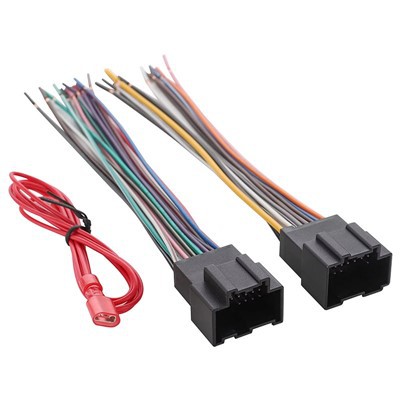
When it comes to electric vehicles (EVs), one of the most common questions I encounter as an EV cable supplier is, "Can I use any EV cable for my car?" This seemingly simple question has a rather complex answer, and in this blog post, I'll break down the key factors you need to consider to ensure you're using the right EV cable for your vehicle.
Compatibility with Your EV Model
The first and most crucial factor is the compatibility of the EV cable with your specific car model. Different EVs have different charging requirements and connector types. For example, Tesla vehicles use a proprietary connector, while most other EVs in the market use the SAE J1772 connector for Level 1 and Level 2 charging in North America, or the Type 2 connector in Europe.
If you try to use an incompatible cable, it simply won't fit into your vehicle's charging port. Even if it physically fits, the electrical specifications might not match, which can lead to inefficient charging or, in the worst - case scenario, damage to your vehicle's charging system. So, before purchasing an EV cable, make sure to check your vehicle's manual or consult the manufacturer to determine the correct connector type for your car.
Charging Levels and Cable Capacity
EV charging is typically classified into three levels: Level 1, Level 2, and DC fast charging.
Level 1 charging uses a standard 120 - volt household outlet and is the slowest form of charging, usually adding about 2 - 5 miles of range per hour. A basic Level 1 cable is often included with the purchase of an EV.
Level 2 charging, on the other hand, uses a 240 - volt outlet and can charge your vehicle much faster, adding around 10 - 60 miles of range per hour. For Level 2 charging, you need a cable with the appropriate amperage rating. The cable's capacity is measured in amperes (amps), and it must match the charging capacity of your vehicle and the charging station. For instance, if your vehicle can accept a maximum of 32 amps and your charging station is rated for 32 amps, you need a cable that can handle 32 amps. Using a cable with a lower amp rating can result in slower charging, while using a cable with a much higher amp rating than necessary is a waste of money.
DC fast charging is the quickest way to charge an EV, capable of adding significant range in a short time. However, DC fast - charging cables are much more specialized and are usually installed at public charging stations. These cables are designed to handle high - voltage and high - current charging, and they are not typically used for home charging.
Connector Types
As mentioned earlier, different EVs use different connector types. In addition to the standard SAE J1772 and Type 2 connectors, there are other specialized connectors. For example, the HVIL Connector is an important component in high - voltage EV charging systems. It provides a safety mechanism to ensure that the high - voltage circuit is properly connected and isolated when charging.
There are also different variations of common connectors. The 9mm Two - hole Straight Connector and 9mm Two - hole Curved Connector are examples of connectors that may be used in specific EV models or charging setups. These connectors offer different physical configurations to meet the needs of different vehicles and charging stations.
Cable Quality and Safety
The quality of the EV cable is of utmost importance. A high - quality cable is made of durable materials that can withstand regular use, exposure to the elements, and the high electrical currents involved in charging. Look for cables that are certified by recognized standards organizations, such as UL (Underwriters Laboratories) in the United States.
Safety features are also crucial. A good EV cable should have built - in protection against over - current, over - voltage, and short - circuits. These safety features help prevent damage to your vehicle and reduce the risk of electrical fires.
Environmental Considerations
EV cables are often exposed to various environmental conditions, such as extreme temperatures, moisture, and sunlight. A cable that is not designed to withstand these conditions may degrade over time, leading to safety issues and reduced charging performance.
For example, in cold weather, the flexibility of the cable can be affected, making it more difficult to handle. High - quality cables are designed to maintain their flexibility and performance in a wide range of temperatures. Additionally, cables should be resistant to water and UV rays to ensure long - term durability.


Cost and Value
When choosing an EV cable, cost is an important factor. However, it's important not to sacrifice quality for a lower price. A cheap cable may seem like a good deal at first, but it may not last as long or provide the same level of performance as a higher - quality cable.
Consider the long - term value of the cable. A high - quality cable may cost more upfront, but it can save you money in the long run by reducing the need for frequent replacements and minimizing the risk of damage to your vehicle.
Conclusion
In conclusion, you cannot use just any EV cable for your car. You need to consider the compatibility with your vehicle model, the charging level and cable capacity, the connector type, the cable quality and safety, environmental factors, and the cost - to - value ratio.
As an EV cable supplier, I'm here to help you make the right choice. If you're in the market for an EV cable, I encourage you to reach out to me. I can provide you with detailed information about our products, help you select the right cable for your vehicle, and answer any questions you may have. Whether you need a Level 1 cable for home charging or a specialized cable for a particular EV model, I have the expertise and the products to meet your needs. Let's have a conversation about your EV charging requirements and find the perfect cable for you.
References
- "Electric Vehicle Charging Standards," Society of Automotive Engineers (SAE).
- "EV Charging Basics," U.S. Department of Energy.
- Manufacturer's manuals of various electric vehicles.